Titanium Mesh
Titanium mesh is mainly used for screening and filtering in acidic and alkaline environments or for separating gases, liquids, and other materials. There are three weaving methods: plain weave, twill weave, and dense weave. Because it’s hard to draw titanium wire, the finest titanium wire currently available can reach 0.05 mm, but it has low flexibility, high strength, and good elasticity. This makes it difficult to produce titanium mesh with a high number of openings (high mesh).
Product Introduction of Titanium Mesh
1. Plain Titanium Mesh
This is the most common weaving method, where the warp and weft wires have the same density and diameter.
2. Twill Titanium Mesh
Twill ti mesh uses thicker titanium wires than plain weave mesh, which makes it stronger. It is suitable for industries like petroleum, chemicals, and aerospace because it is resistant to acids, alkalis, high temperatures, and wear.
3. Titanium Dense Mesh
Both plain and twill dense titanium meshes have stable and fine filtration performance. They are used in aerospace, petroleum, and the chemical industry.
2. Product Specifications
- Mesh Size: 0.2 mesh to 400 mesh
- Wire Diameter: 0.04 mm to 3 mm
- Width: 0.1 x 4 m (can be cut into strips)
- Coating Thickness: 0.5 to 5 um
- Production Technology: Weaving and drawing
3. Material
- Grades: Gr1, Gr3, Gr5
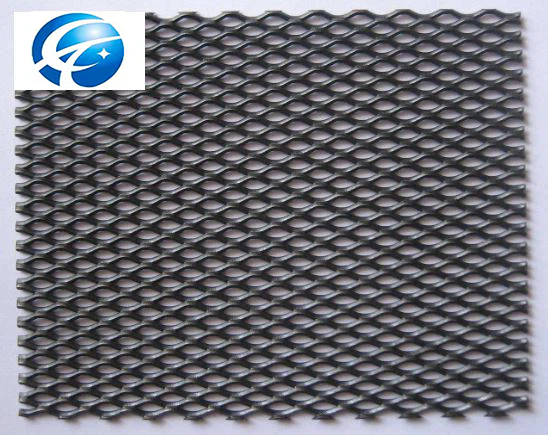
- Surface Finish: 1. Black (with a graphite emulsion coating) 2. Bright (without the coating)
4. Product Features
High-purity ti-mesh has a dense, strong, and inert oxidation layer that protects it from corrosion, making it very resistant to harsh environments like seawater, wet chlorine, nitric acid, and other chemicals. This mesh can replace traditional materials like nickel stainless steel and aluminum mesh, offering a longer lifespan and reliable performance.
5. Product Uses
Ti-mesh can be use in high-temperature filters, shipbuilding, military manufacturing, chemical filtration, mechanical filters, electromagnetic shielding, seawater desalination, food processing, medical filters, and more.
6. Product Performance:
- Titanium mesh is mainly use for filtering and screening in acidic and alkaline environments or for separating gases and liquids.
- It is lightweight and low in density, making it useful in the precision electronics industry to reduce the weight of components.
- Titanium has excellent chemical stability, which is why it is often use in the electrode mesh for the electrolysis industry.
Conclusion
Titanium mesh is an invaluable material in various industries that require high performance and durability. Its resistance to corrosion, high strength, and lightweight properties make it an ideal choice for filtration, screening, and separation tasks in harsh environments. With different weaving methods available, ti-mesh can be tailored to meet specific needs, whether for standard filtration or more specialized applications. From the aerospace industry to medical applications, ti-mesh continues to be a trusted solution for those seeking reliable, long-lasting materials.